Best time to visit Hawaii: a month-by-month island guide
 By Mark Ambrose
Quick Answer
September is the single best month to visit Hawaii. Best weather, fewest crowds, lowest prices, and calm ocean conditions — all at the same time. April and May are close seconds. If you're locked into summer school breaks, go early June and pick Oahu for the best value. Here's the complete month-by-month breakdown.
My vacation planning service is 100% free to you — you pay the same price as booking direct.
In This Guide
Hawaii has two seasons, not four
Hawaii doesn't have spring, summer, fall, and winter the way the mainland does. It has dry season and wet season — and the distinction matters more for planning than any single month.
- Dry season (May–October): Less rain overall, more reliable trade winds, summer warmth, calm ocean conditions. Year-round temperatures stay 75–85°F island-wide (NOAA data). This is the season most people think of when they picture Hawaii.
- Wet season (November–April): Cooler temperatures (still mild — 70s), more rainfall, higher surf on north shores. Not a bad time to visit, but rainy days are more common.
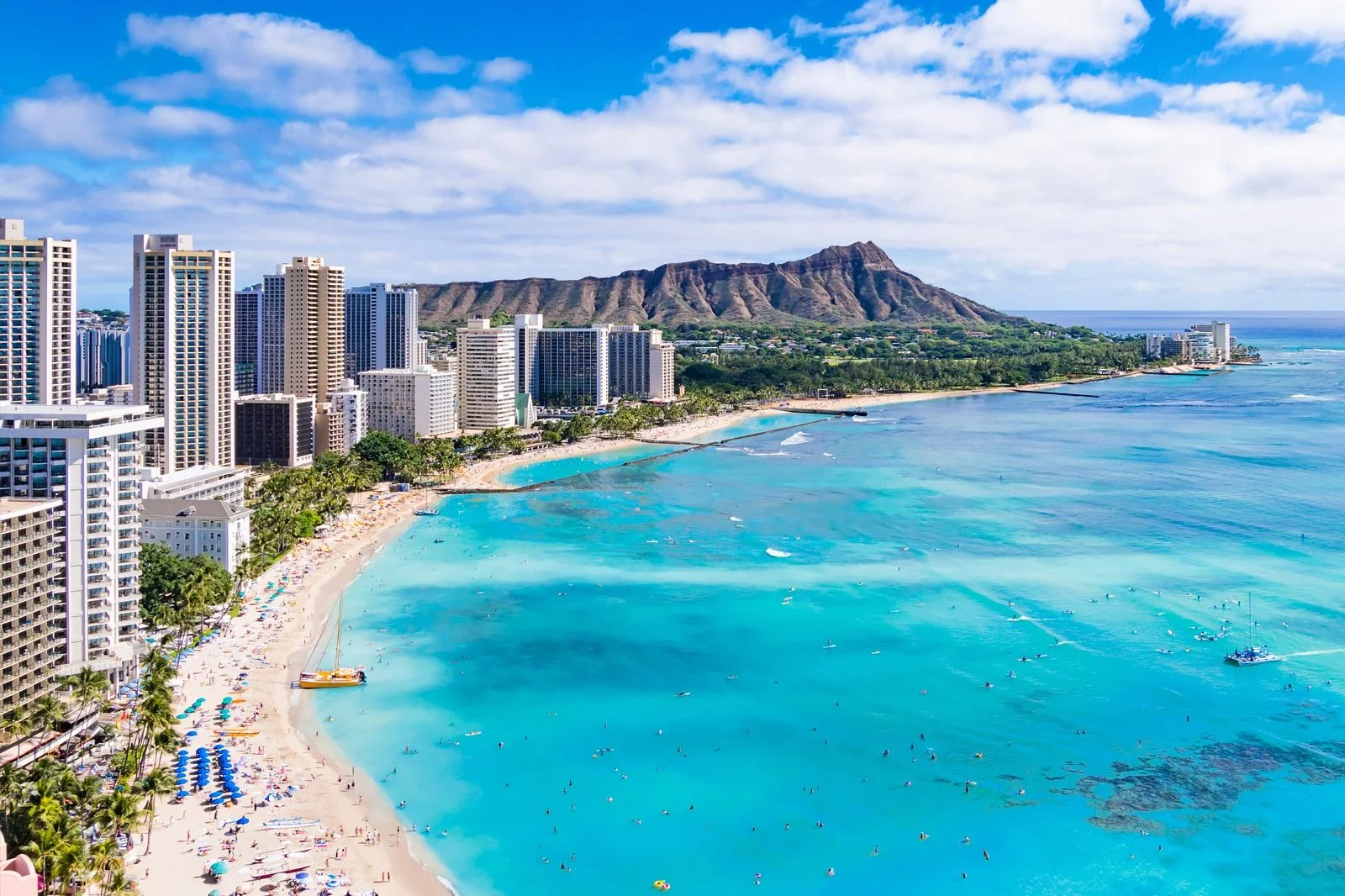
Here's the key nuance that trip reports and generic guides miss: which side of the island you're on matters more than what month you're visiting. Every Hawaiian island has a dry leeward side (south and west-facing) and a wetter windward side (north and east-facing). The Kohala Coast on Big Island, Kaanapali on Maui, and Waikiki on Oahu — all leeward — stay comparatively sunny even in the wet season.
One planning note for 2026: Hawaii introduced a lodging tax increase effective January 1, 2026 — approximately 19% total tax on all accommodations. This doesn't change when to go, but build it into your budget when comparing Hawaii to other destinations.
The best months: ranked
In order of overall value and experience:
- September — the winner. Best all-around month. Weather, crowd levels, hotel pricing, and ocean conditions all peak simultaneously. Summer visitors have gone home. Schools are back in session. Aloha Festivals run island-wide. 2026 marks the 80th anniversary of Aloha Festivals in September — worth timing your trip around.
- April (after Easter) — spring break crowds clear after Easter weekend. The following two weeks are some of the best days of the year: warm, dry, emptier than summer, prices drop from their spring break peak.
- May — similar to late April. Warm, dry, pre-summer. Late May before Memorial Day weekend is a genuine sleeper sweet spot.
- October — close second to September. Crowd levels stay low. Slight increase in north shore swell (which surfers love and families should note). Hawaii's historically quietest tourism month.
- Early December (pre-holiday) — counterintuitive pick. Christmas decorations are up, schools are still in session through mid-December, crowds remain manageable. Prices spike sharply after December 20.
Month-by-month breakdown
| Month | Crowds | Prices | What to Know |
|---|---|---|---|
| January | Moderate | Moderate | Good for Maui whale watching; peak around MLK weekend |
| February | Low | Cheapest flights (~$488 avg) | Whale watching peaks; North Shore surf active; lowest airfare |
| March | Very high | Peak spring break | Maximum spring break crowds; avoid if possible |
| April (post-Easter) | Low | Drops after Easter | Instant improvement after Easter; one of the best windows |
| May | Low | Good | Warm, dry, quiet; late May before Memorial Day is ideal |
| June–August | Peak season | Highest prices | July is the busiest month; early June slightly better |
| September | Lowest | Best rates | The winner — best weather, prices, crowds, ocean all at once |
| October | Very low | Excellent | Historically Hawaii's quietest month; north shore swell begins |
| November | Low (early) | Good (early) | Early November excellent; Thanksgiving week gets crowded |
| December | Low then peak | Good then peak | Dec 1–20 surprisingly good; Dec 22–Jan 4 = maximum crowds |
Mark's Take
September is genuinely special. Post-Labor Day, summer vacationers are gone, kids are back in school, and the Aloha Festivals are running island-wide through the whole month. Mid-range hotels drop $50–100/night compared to summer. Ocean conditions are excellent for swimming and snorkeling. It's the closest thing to a perfect Hawaii window you'll find on the calendar.
Best time by island
Oahu
Oahu is the most consistent island year-round. Waikiki's south-facing beach stays relatively dry and sunny even in the wet season. North Shore surf runs November–March (great for watching, dangerous for swimming at some beaches). Good to visit any time; best crowd window is September–October.
Maui
Best all-around conditions from September–October, or the post-Easter spring window. Whale watching season (January–May) makes Maui the clear choice if humpback whales are on your list. Road to Hana is best in the dry months (May–October) when the road is clearer and viewpoints are more accessible.
Kauai
The wettest island in Hawaii — the North Shore especially. If you're visiting in winter or spring, stay south and west (Po'ipū area) for sun. Na Pali Coast is most accessible by sea in summer (May–September), when ocean conditions calm enough for boat tours. September is the best all-around timing for Kauai.
Big Island
Most microclimates of any island — you can have sunshine on the Kohala Coast while it's raining at Volcano National Park 40 miles away. Kilauea volcanic activity is ongoing (check status at usgs.gov/hvo before visiting). Accessible year-round with less crowd pressure than Maui or Oahu. The Kohala Coast stays sunny in any season — it's one of the driest places in Hawaii.
Best time by activity
- Whale watching (humpbacks): January–May, peak February–April. Maui's Auau Channel (between Maui, Lanai, and Molokai) is the premier viewing area. Humpbacks come to Hawaii's warm waters to breed and give birth.
- Snorkeling and calm water swimming: May–September, with September being particularly excellent. Calmer conditions island-wide.
- North Shore surfing (watching): November–March. The Eddie Aikau Invitational and the Vans Triple Crown run December–January at Oahu's North Shore. Incredible to watch; don't swim these beaches.
- Haleakala sunrise (Maui): Available year-round, but requires a permit booked through recreation.gov, available 60 days out. Plan ahead — these sell out.
- Luaus: Available year-round. Book 60–90 days out for the good ones (Old Lahaina Luau on Maui and Germaine's on Oahu are the standards).
- Na Pali Coast boat tours (Kauai): May–September only — ocean conditions must be calm enough for the coastline approach. Not available in winter.
Budget timing: when prices drop
Cheapest months to fly from Texas: February and January per historical DFW flight data. Average roundtrip in February: approximately $488. The savings on flights can be significant compared to summer peaks of $650+.
Cheapest hotel rates: September and October see the sharpest hotel rate drops from summer — $50–100/night savings on mid-range properties is realistic.
Avoid for budget travel: Spring Break (mid-March), the weeks surrounding Christmas and New Year's (Dec 22–Jan 4), Thanksgiving week, and peak summer (July and August). Prices across all categories spike significantly during these windows.
Texas-specific notes: DFW flights and school calendars
A few things specific to planning Hawaii from the DFW area:
- School calendar windows: Dallas ISD, Rockwall ISD, and most DFW districts have a fall break in late October — typically 2–4 days. This often coincides perfectly with Hawaii's quietest tourism month. It's one of the most underused Hawaii windows for Texas families.
- American Airlines and Alaska Airlines serve DFW–Honolulu (HNL). Alaska's pricing can be competitive, especially in shoulder season. Check both.
- Southwest from DAL (Love Field) serves Hawaii on select routes. Worth checking if you're flexible on departure airport — fares can be notably cheaper.
- Spring Break timing: DISD spring break is typically mid-March. If that's your only family window, go the week before or after to avoid the peak surge.
Mark's Pro Tip
The October fall break window is the most underrated Hawaii timing for DFW families. Schools are out for a few days, Hawaii is in its quietest month, hotel rates are down from summer, and the weather is still excellent. I've booked clients into this window who couldn't believe how uncrowded the beaches were. It doesn't last — once more families figure it out, it'll fill up.
Hurricane season: what you need to know
Hawaii's official hurricane season runs June 1–November 30, with the peak activity window in August and September. This is the same timing as the "best months to visit" — and it's important context, not a reason to avoid those months.
Direct hurricane hits on Hawaii are historically rare. The island chain is protected by geography and ocean temperature dynamics that typically weaken systems before they reach land. Tropical storms can still disrupt travel — particularly flight schedules and ocean conditions.
My standard advice: buy travel protection for any Hawaii trip booked during hurricane season (and honestly, for any Hawaii trip period given the flight investment from Texas). If a storm disrupts your vacation, you want coverage. A travel protection policy is relatively inexpensive relative to the cost of a Hawaii trip.
Ready to plan your Hawaii trip?
Tell me your dates, who's going, and what matters most — I'll find the right island, resort, and timing. Free, no pressure.
Frequently asked questions
What is the best month to visit Hawaii?
September is the best month to visit Hawaii. It hits all four marks simultaneously: best weather, lowest crowds, lowest hotel prices, and excellent ocean conditions for swimming and snorkeling. April and May are close seconds.
What is the cheapest time to visit Hawaii?
February typically has the cheapest flights from Texas (around $488 average roundtrip per historical data). September and October have the lowest hotel rates. The sweet spot is September — both flights and hotels drop from summer peaks.
When is whale watching season in Hawaii?
Humpback whale watching season in Hawaii runs January through May, with the peak in February through April. Maui's Auau Channel (between Maui, Lanai, and Molokai) is the prime viewing area — humpbacks come to Hawaii's warm waters to breed and give birth.
Is Hawaii crowded in summer?
Yes — June through August is Hawaii's peak season. July is the busiest month, with close to 900,000 visitors in recent years. If you must go in summer, early June is slightly less crowded than July and August. Expect premium pricing and full resorts.
What months have the best weather in Hawaii?
April through October is Hawaii's dry season with more consistent sun. September and October are the sweet spot — dry season conditions with shoulder-season crowds and pricing. Year-round temperatures stay 75–85°F across most island areas.
Does it rain a lot in Hawaii?
It depends on which island and which side. Every Hawaiian island has a dry leeward side (south and west) and a wetter windward side (north and east). Stay on the leeward side in winter if you want sun — Kaanapali on Maui, Waikiki on Oahu, and the Kohala Coast on Big Island are all leeward. Kauai's north shore gets significant rain in winter.
Related Hawaii Articles
Ready to find the right Hawaii timing for your trip?
I'm Mark Ambrose — DFW-based travel advisor. Tell me your family, dates, and what matters most, and I'll help you find the right island and timing. Free, no pressure, no fees.